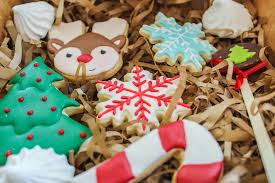
The holiday season in Carmel, IN is filled with festive gatherings, delicious sweets, family traditions, and cozy winter celebrations. From candy canes and hot cocoa to sugar cookies, holiday pies, chocolates, and other seasonal treats, tempting foods are everywhere. It is completely natural to want to enjoy your favorite holiday goodies with family and friends.
However, an increase in sugary foods and drinks can also increase the risk of cavities, enamel erosion, plaque buildup, and gum irritation. The good news is that you do not have to avoid your favorite holiday treats to maintain a healthy smile.
With a few smart habits and guidance from Smiles in the Village Dentistry, you can enjoy the holiday season while continuing to protect your teeth and gums.
Why Holiday Sweets Increase Cavity Risk
Sugar plays an important role in the development of tooth decay. Your mouth naturally contains bacteria that feed on sugars and carbohydrates left behind after eating and drinking. These bacteria can produce acids that attack tooth enamel.
When sugary foods are consumed frequently throughout the day, your teeth may be exposed to these acids repeatedly. Over time, repeated acid attacks can weaken enamel and contribute to cavities.
During the holidays, it is common to snack more often than usual. You may have cookies sitting in the kitchen, candy available at a holiday gathering, or a sweet drink beside you throughout the afternoon. Even small amounts of sugar consumed frequently can keep your teeth exposed to a cycle of acid production.
Busy holiday schedules can make things even more challenging. Travel, parties, late nights, and changes to your normal routine may cause you to brush or floss less consistently.
That is why proactive cavity prevention is especially important during the holiday season.
Does the Type of Holiday Sweet Matter?
Yes. Different foods and candies can affect your teeth in different ways.
Sticky and chewy sweets such as caramel, taffy, toffee, and gummy candies can remain on the teeth for longer periods. Hard candies and lollipops can also expose your teeth to sugar for an extended period because they take longer to dissolve.
This does not mean you can never enjoy these treats. Instead, consider limiting how frequently you eat them and practice good oral hygiene afterward.
Chocolate may be easier to manage because it generally melts and clears from the mouth more quickly than sticky candies. However, chocolate and other sweets still contain sugar, so portion size and frequency matter.
Smart Ways to Enjoy Holiday Treats Without Damaging Your Teeth
There is no need to skip every dessert during the holidays. The goal is to enjoy treats thoughtfully while maintaining healthy dental habits.
Choose Sweets Wisely
Not all holiday treats have the same characteristics when it comes to oral health.
Sticky, chewy, and hard candies can remain around the teeth longer and may be more difficult to remove. Consider choosing treats that are easier to eat and less likely to stick to the teeth.
Some options may include:
- Dark or milk chocolate in moderation
- Soft cookies
- Shortbread
- Seasonal fruit
- Fresh fruit desserts
- Soft pastries
- Small portions of your favorite holiday desserts
Remember that even foods considered easier on your teeth can contain sugar. Good oral hygiene remains important regardless of which dessert you choose.
Don't Sip Sugary Drinks All Day
Hot chocolate, cider, holiday lattes, sweetened coffee, and other seasonal drinks are popular during winter celebrations. However, continuously sipping sugary beverages throughout the day can repeatedly expose your teeth to sugar and acids.
Instead of carrying a sugary drink with you for several hours, consider drinking it with a meal or enjoying it during a shorter period.
Afterward, drink some water. Water can help rinse away food particles and leftover sugars from your mouth.
Drink More Water
Water is one of the simplest choices for supporting good oral hygiene during the holidays.
Drinking water after meals and snacks can help rinse your mouth and wash away some food debris. It also provides a simple alternative to sugary beverages between meals.
If you are attending a holiday gathering, keep a glass or bottle of water nearby and drink it regularly throughout the day.
Rinse Your Mouth After Eating
You may not always have access to a toothbrush during a holiday party, family gathering, or road trip. In those situations, rinsing your mouth with water can be a practical temporary step.
Swishing with water after eating can help remove some food particles and dilute acids produced after consuming sugary foods.
When you return home, continue with your normal brushing and flossing routine.
Brush at the Right Time
Brushing twice a day with fluoride toothpaste is one of the most important habits for maintaining good oral health.
After consuming acidic foods or beverages, however, it is generally better to wait before brushing rather than brushing immediately. This gives your saliva time to help neutralize acids in the mouth.
If you cannot brush right away, rinse with water and brush later according to your normal routine.
Don't Skip Flossing
Holiday foods can easily become trapped between teeth. Cookies, pastries, meats, nuts, and other foods may leave behind particles that brushing alone cannot effectively remove.
Daily flossing or another appropriate method of cleaning between the teeth helps remove plaque and debris from these areas.
Your nightly oral hygiene routine is particularly important if you have been eating more frequently during the holidays.
Maintain Your Dental Routine During Holiday Travel
Traveling during the holiday season can make it easy to forget your normal dental routine.
Whether you are visiting family, staying at a hotel, or taking a winter vacation, pack the essentials:
- Toothbrush
- Fluoride toothpaste
- Dental floss or interdental cleaner
- Any recommended dental products
- Mouthguard if you normally wear one
Try to maintain your usual morning and evening brushing schedule even when your daily routine changes.
A few minutes of consistent oral care can help prevent dental problems from interfering with your holiday plans.
Protect Your Children's Teeth During the Holidays
Children often receive more candy and sweet treats during the holiday season. Rather than completely restricting sweets, parents can help children develop healthier habits around them.
Consider serving sweets as part of a meal or at designated snack times instead of allowing children to graze on candy throughout the day.
Encourage children to:
- Drink water after eating sweets
- Brush twice a day
- Clean between their teeth as recommended
- Avoid constantly snacking on candy
- Choose a variety of foods during holiday meals
- Maintain regular dental appointments
The holidays can also be a great opportunity to teach children that enjoying dessert and taking care of their teeth can go together.
Be Careful With Hard Foods and Holiday Traditions
Sugar is not the only potential dental concern during the holidays.
Hard foods such as certain nuts, ice, hard candies, and other unusually firm items can potentially damage or fracture a tooth. Using your teeth to open packages, bottles, or containers can also cause unnecessary dental injuries.
If a food is particularly hard, take your time and avoid biting down aggressively.
If you have dental crowns, bridges, veneers, fillings, or other restorations, follow your dentist's recommendations regarding foods that may pose a risk to your dental work.
Holiday Treats and Gum Health
Your teeth are not the only part of your mouth affected by holiday eating habits. Your gums can also be affected by plaque accumulation.
When sugary or starchy foods remain around the teeth and gumline, bacteria can contribute to plaque buildup. Without regular brushing and cleaning between the teeth, plaque can irritate the gums.
Signs of gum irritation may include:
- Red or swollen gums
- Bleeding when brushing or flossing
- Tenderness
- Persistent bad breath
- Gum sensitivity
If you notice ongoing symptoms, schedule a dental appointment rather than waiting for the problem to become more uncomfortable.
What If You Experience a Dental Problem During the Holidays?
Even with good preventive habits, dental problems can sometimes occur.
If you develop tooth pain, sensitivity, a broken tooth, lost filling, or another unexpected dental issue during the holiday season, contact your dental office for guidance.
Do not ignore persistent dental pain simply because you are busy with holiday activities. A problem that seems minor can sometimes become more complicated if treatment is delayed.
Knowing where to turn for dental care can give you peace of mind during a busy time of year.
Schedule a Post-Holiday Dental Cleaning
After weeks of holiday meals, desserts, parties, and changes in routine, starting the new year with a professional dental cleaning can be a great way to get your oral health back on track.
A professional cleaning can help remove plaque and tartar that cannot be completely removed with regular brushing at home. Your dental team can also examine your teeth and gums for signs of cavities, inflammation, or other concerns.
If it has been several months since your last dental visit, consider scheduling an appointment at Smiles in the Village Dentistry.
Benefits of Staying Tooth-Healthy During the Holidays
Maintaining good oral habits throughout the holiday season can help:
- Reduce the risk of cavities
- Limit plaque buildup
- Support healthy gums
- Protect tooth enamel
- Reduce the likelihood of unexpected dental problems
- Keep your breath fresh during gatherings
- Maintain your regular oral hygiene routine
- Start the new year with better dental habits
The goal is not perfection. Even small choices, such as drinking water after dessert, brushing consistently, and reducing frequent snacking, can make a meaningful difference.
Create a Balanced Holiday Dental Routine
A simple routine can help you enjoy holiday celebrations without letting dental care fall by the wayside.
Morning: Brush your teeth with fluoride toothpaste and clean between your teeth as recommended.
During the day: Enjoy meals and treats without constantly grazing. Choose water between meals and rinse your mouth after particularly sugary foods or drinks.
Evening: Brush thoroughly before bed and clean between your teeth. Avoid going to sleep with food or sugary drinks on your teeth.
After the holidays: Schedule your regular dental examination or cleaning if you are due for one.
This approach allows you to enjoy seasonal foods while continuing to prioritize your oral health.
Keep Your Smile Merry and Bright
Holiday treats are meant to be enjoyed. You can celebrate with family, share desserts, drink hot chocolate, and participate in seasonal traditions while still taking care of your teeth.
The key is moderation, timing, hydration, and consistency. Try to avoid frequent grazing on sugary foods, drink water regularly, maintain your brushing and flossing routine, and schedule professional dental care when needed.
At Smiles in the Village Dentistry, we are here to help your family maintain healthy smiles throughout the holiday season and into the new year.
Whether you need a routine cleaning, cavity evaluation, or personalized oral health guidance, our Carmel dental team is here to support you.
📍 Smiles in the Village Dentistry – Carmel, IN
📞 (317) 575-6100
💻 https://www.carmelsmilesdentist.com
FAQs
Are some holiday sweets worse for my teeth than others?
Yes. Sticky, chewy, and hard candies can remain on or around the teeth for longer periods and may be more difficult to clean away. Chocolate and softer treats may clear from the mouth more easily, but they still contain sugar and should be enjoyed in moderation.
How can I reduce sugar-related damage if I love holiday treats?
Enjoy sweets in moderation rather than constantly snacking throughout the day. Drinking water afterward, brushing twice daily with fluoride toothpaste, cleaning between your teeth, and maintaining regular dental visits can all support good oral health.
Does sipping hot chocolate or cider cause cavities?
Frequent consumption of sugary beverages can increase the amount of time your teeth are exposed to sugar and acids. Instead of sipping a sugary drink continuously for hours, consider enjoying it with a meal or during a shorter period and drinking water afterward.
Should I schedule a dental visit after the holidays?
If you are due for a dental examination or cleaning, scheduling an appointment after the holidays can be a helpful way to get back on track. A professional dental cleaning can remove plaque and tartar while your dental team checks for potential problems.
Is chocolate better for your teeth than hard candy?
Chocolate generally does not remain in the mouth as long as sticky or hard candies, but it still contains sugar. Portion size, frequency, and good oral hygiene are important regardless of the type of sweet you choose.
Can holiday foods damage a tooth?
Some very hard foods, ice, and hard candies can potentially contribute to chipped or fractured teeth, particularly if you bite down forcefully. Avoid using your teeth as tools to open packages or containers.
How can I protect my child's teeth during the holidays?
Allow children to enjoy holiday treats in moderation while encouraging regular brushing, cleaning between their teeth, drinking water, and maintaining their dental appointments. Limiting frequent snacking on candy can also reduce repeated sugar exposure.
What should I do if I develop tooth pain during the holidays?
Do not ignore persistent or severe tooth pain. Contact your dental office for advice and determine whether an evaluation is needed. Prompt attention can help prevent a dental concern from interfering with your holiday celebrations.
Can I prevent cavities without giving up sweets?
You can enjoy sweets while reducing your risk of cavities by limiting how frequently you consume them, choosing water between meals, maintaining good brushing and flossing habits, and keeping up with professional dental care.
Why is water important after eating holiday treats?
Drinking water can help rinse food particles and sugars from your mouth. It is also a simple way to stay hydrated without adding more sugar to your diet.
How often should I have a dental cleaning?
The appropriate schedule depends on your individual oral health needs. Many patients have routine dental examinations and cleanings approximately every six months, while some patients may benefit from more frequent visits. Your dentist can recommend a schedule based on your needs.
Can holiday eating affect my gums?
Frequent sugary and starchy foods can contribute to plaque buildup, which may irritate gum tissue when not adequately removed. Consistent brushing, cleaning between your teeth, and professional dental care can help support healthy gums.
Start the New Year With a Healthy Smile
The holidays do not have to be a choice between enjoying your favorite foods and protecting your teeth. With mindful eating, good daily habits, and regular professional care, you can celebrate the season while supporting your long-term oral health.
If you are due for a dental checkup or cleaning, contact Smiles in the Village Dentistry in Carmel, IN, and start the new year with a healthy, confident smile.

