
Adjusting to New Dentures Carmel, IN
The adjustment period for new dentures brings the excitement of an enhanced smile, but it also requires patience and practice. Making the transition to wearing dentures full time is a significant change that involves developing new eating, speaking, and dental hygiene practices.
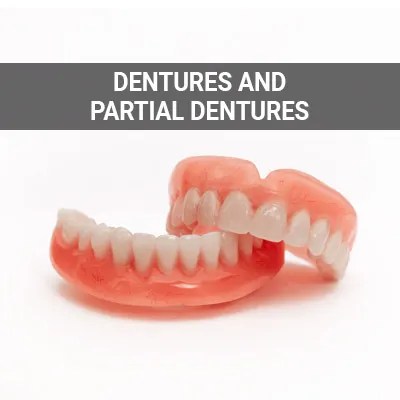
Dentures are available at Smiles in the Village Dentistry in Carmel and the surrounding area. Our team can provide tips and support to help you adjust well to your new dentures. There are several different strategies to practice and try at home to make the change easier. Call us at (317) 575-6101 to learn more about our services or schedule an appointment.
Tips for Adjusting to New Dentures
While dentures improve the form and function of a person's smile, they feel and act differently than natural teeth. These differences can entail a learning curve as people must learn how to care for their dentures and get used to smiling, eating, speaking, and drinking while wearing dentures. It is important for people to continue wearing their dentures to help their mouth adjust. It is common for people to feel that their dentures are too loose or big at first. However, the tongue and mouth muscles will soon adjust and help keep the dentures in place.
Speaking is one of the most noticeable adjustments patients must make when adjusting to dentures. Patients may experience some difficulty speaking with them because of the changes in the way the mouth muscles move. We recommend that people practice reading out loud in front of a mirror during those first few weeks. Patients should also make sure they have the right denture adhesive and start by speaking slowly to get used to conversing with dentures.
“While dentures improve the form and function of a person’s smile, they feel and act differently than natural teeth.”
Denture Hygiene Routine
Maintaining a consistent denture hygiene routine is essential for protecting your oral health and keeping your dentures clean. Food particles, plaque, and other deposits can accumulate on dentures throughout the day. If these deposits are not removed, they may contribute to unpleasant odors, gum irritation, and oral infections. Cleaning your dentures regularly also helps preserve their appearance and makes them more comfortable to wear.
Remove and rinse your dentures after meals when possible to wash away loose food particles. Brush them daily with a soft denture brush and a cleaner specifically designed for dentures. Avoid ordinary abrasive toothpaste, which can scratch the denture surface and create areas where deposits accumulate. Handle your dentures carefully over a folded towel or a basin of water to reduce the risk of breakage if they slip from your hands.
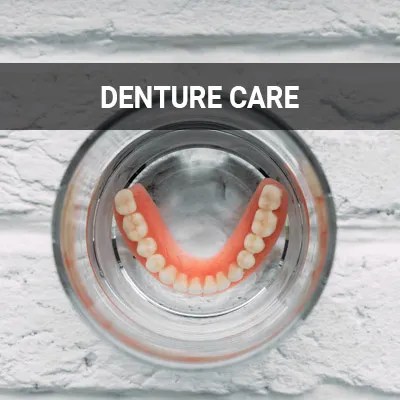
Most removable dentures should remain moist when they are not being worn. Soak them overnight in water or a denture-soaking solution recommended by your dental professional, following the product instructions. Do not use hot or boiling water because excessive heat can distort the denture material and affect its fit. If you have a denture with metal components, check that the cleaning product is suitable for that type of appliance.
Oral hygiene remains important even when dentures replace all your natural teeth. Gently clean your gums, tongue, palate, and any remaining natural teeth every day. People who wear partial dentures should pay particular attention to the natural teeth supporting the appliance. Regular dental visits allow your dentist to check your gums, examine remaining teeth, assess denture fit, and recommend adjustments when needed.
For additional guidance, review this resource on caring for dentures.
“Another crucial aspect of adjusting to new dentures is a consistent and effective dental hygiene routine.”
Expectations for the First 30 Days
The first 30 days of wearing new dentures can involve several changes as your mouth gradually adapts. During the first few days, you may notice that your dentures feel unusually large, your speech sounds different, or your mouth produces more saliva than usual. You may also experience mild pressure or tenderness as the appliance rests against your gums. These experiences can occur during the adjustment process, but severe pain and persistent sores should not be ignored.
During the first week, concentrate on developing comfortable habits rather than expecting everything to feel natural immediately. Eat soft foods, take small bites, drink water regularly, and practice speaking in a relaxed environment. Follow your dentist's instructions about wearing your dentures and cleaning them. If your dentist schedules an adjustment appointment, attend it so any pressure points or fitting problems can be addressed.
Over the following weeks, chewing and speaking may become easier as your tongue and facial muscles learn to work with the dentures. You may gradually introduce a wider variety of foods, depending on your comfort and your dentist's recommendations. Continue to monitor your gums for irritation, redness, or areas where the dentures rub against the tissues.
Not every patient adjusts at the same pace. The process depends on factors such as the type of denture, the condition of the gums, previous denture experience, and individual oral anatomy. Some people adapt relatively quickly, while others require several follow-up visits. If your dentures remain uncomfortable, unstable, or difficult to use, contact your dentist rather than assuming that the problem will resolve on its own.
“During the 30-day adjustment period, patients should be gentle on their mouths and take their time with the new routine.”
Check out what others are saying about our dental services on Yelp: Adjusting to New Dentures in Carmel, IN
Adjusting Eating Practices
Eating with new dentures requires practice because the appliance distributes chewing pressure differently from natural teeth. During the initial adjustment period, start with soft foods that require less force to chew. Options may include scrambled eggs, yogurt, mashed vegetables, soft pasta, oatmeal, and tender fish. Choose foods that are easy to manage and avoid rushing through meals while you are learning to chew comfortably.
Take small bites and chew slowly using both sides of your mouth whenever possible. Distributing food evenly across both sides helps reduce uneven pressure that can cause dentures to move. Drinking small sips of water during meals may also help if your mouth feels dry or swallowing seems unfamiliar. Sitting upright and concentrating on each bite can make meals more manageable.
As your confidence improves, gradually introduce foods with firmer textures. Cut meat, vegetables, and other foods into small pieces, and cook harder vegetables until they are tender. Avoid biting directly into foods with your front teeth because the pressure may cause a removable denture to lift or become unstable. Instead, divide foods into manageable portions and use your back teeth for chewing.
Sticky, hard, and particularly chewy foods can be challenging for new denture wearers. Chewing gum, hard candies, nuts, and tough cuts of meat may increase discomfort or dislodge the appliance. You do not necessarily need to avoid every challenging food permanently, but you should introduce different textures gradually and follow your dentist's advice. If eating continues to cause pain or your dentures repeatedly move out of position, arrange a professional evaluation.
“People with new dentures may also need to adjust their eating practices.”
Questions Answered on This Page
Q. How should people adjust to their new dentures?
Q. How should people take care of their new dentures?
Q. What should new denture wearers expect during the first 30 days?
Q. How should new denture wearers change their eating practices?
People Also Ask
Q. Why are dentures a preferred treatment?
Q. What is the process of getting partial dentures?
Q. What is the proper way to take care of my dentures?
Q. What lifestyle changes will people experience after getting dentures?
Q. How should people take care of their dentures while traveling?
Q. What should I do if my dentures start to feel uncomfortable?
Frequently Asked Questions
Q. Is adjusting to new dentures easier if patients wear them at night?
A. Wearing new dentures as much as possible helps patients adjust to the fit. Once individuals feel comfortable with their dentures, however, it is essential to remove them at night. Studies from the Journal of Dental Research have found a link between wearing dentures while sleeping and increasing cases of infections, such as pneumonia.
Q. Can I adjust my dentures myself?
A. Though there are several products on the market for do-it-yourself denture repair, it is best to avoid fixing your own dentures. If there are issues with comfort and fit, contact us so we can make the necessary adjustments. Patients can seriously damage or break their dentures if they attempt self-repair.
Q. How long will the diet be impacted when adjusting to new dentures?
A. For most patients, eating and drinking may seem a little different in the beginning. For the first few days after getting new dentures, individuals may feel more comfortable eating soft foods. They should be ready to go back to their regular diet within a week or two.
Q. How can patients feel more comfortable when adjusting to new dentures?
A. It is normal if patients feel minor discomfort or pain during the denture adjustment period. During those first few weeks, patients can try a variety of strategies to reduce discomfort. Topical pain relief gels, gum massage, warm water rinses with salt, aloe vera gel, or pain relief medicine may help.
Q. What are some common issues with adjusting to new dentures?
A. It is common to have more saliva when wearing new dentures. Sore mouth muscles and gum irritation are also typical. As the mouth shifts and gets used to the new dentures, these issues should go away in a few weeks.


Scan here to view this page, Adjusting to New Dentures, on mobile

Dental Terminology
Helpful Related Links
- American Dental Association (ADA). Glossary of Dental Clinical Terms. 2024
About our business and website security
- Smiles in the Village Dentistry was established in 2008.
- We accept the following payment methods: Cash, Check, Discover, MasterCard, and Visa
- We serve patients from the following counties: Hamilton County, Marion County, and Boone County
- We serve patients from the following cities: Carmel, Fishers, Noblesville, Westfield, Zionsville, Lebanon, and Indianapolis
- National Provider Identifier Database (1972605111). View NPI Registry Information
- Norton Safe Web. View Details
- Trend Micro Site Safety Center. View Details

Scan here to open directions to Smiles in the Village Dentistry on mobile
Back to top of Adjusting to New Dentures
Related Posts
How Cosmetic Dentistry Can Improve Your Confidence And Smile Appearance
Cosmetic Dentistry in Carmel, IN | Smiles in the Village Your smile is one of the first things people notice about you. When you feel confident about your teeth, it can improve the way you interact socially, professionally, and personally. Unfortunately, stained, chipped, uneven, or misaligned teeth can make many people feel self-conscious about smiling.…
How Dental Crowns Restore Damaged Teeth And Protect Your Smile
A damaged or weakened tooth can affect far more than just your appearance. Cracks, decay, fractures, and worn enamel can make eating uncomfortable, increase sensitivity, and place your overall oral health at risk. When a tooth has lost significant structure, a simple filling may not provide enough protection. Fortunately, modern dental crowns offer a durable…

Winter Smile Care: How To Protect Your Teeth From Cold Weather Sensitivity
As the winter chill sets in across Carmel, IN, many people notice their teeth becoming more sensitive — especially when stepping outside or sipping a hot drink after being in the cold. That sharp, sudden twinge you feel isn’t just in your head! Cold weather can actually intensify tooth sensitivity and expose underlying dental issues.Let…
Explore additional topics covered on our website:
Call Us Today

Scan here to call Smiles in the Village Dentistry on mobile